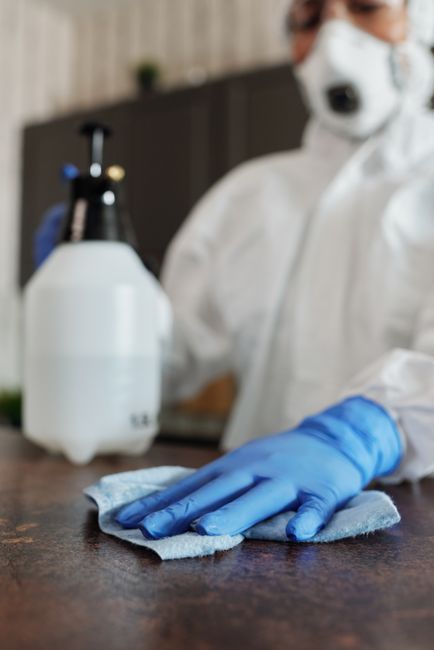
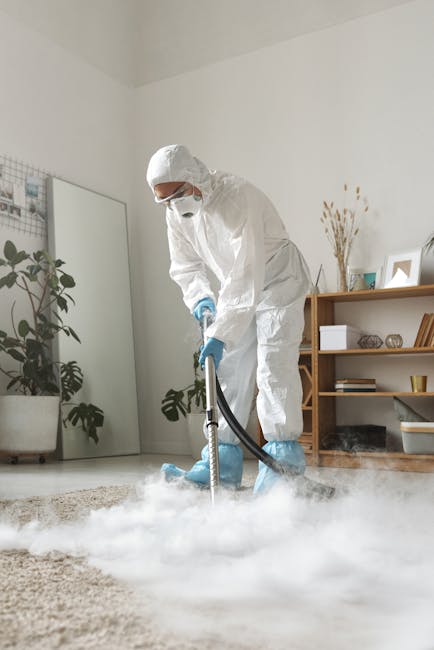
N18 emergency carpet cleaning expert response
When a spill, flood, pet accident, or last-minute guest situation hits, you do not need a lecture - you need calm, fast, practical help. That is exactly where N18 emergency carpet cleaning expert response comes in. The point is not just to make a carpet look cleaner again; it is to stop a problem from spreading, protect the fibres, and reduce the chance of lingering smells or permanent staining. In a busy home or workplace, every minute counts. And truth be told, carpet problems have a habit of arriving at the worst possible time.
This guide explains what emergency carpet cleaning actually involves, how a rapid response works in real life, what to do in the first few minutes, and how to choose the right method for the mess in front of you. It also covers the practical stuff people often overlook - drying, safety, common mistakes, and when specialist help is worth it. If you are in N18 and staring at a carpet that has just had a very bad day, this will help you think clearly.
Table of Contents
- Why N18 emergency carpet cleaning expert response Matters
- How N18 emergency carpet cleaning expert response Works
- Key Benefits and Practical Advantages
- Who This Is For and When It Makes Sense
- Step-by-Step Guidance
- Expert Tips for Better Results
- Common Mistakes to Avoid
- Tools, Resources and Recommendations
- Law, Compliance, Standards, or Best Practice
- Options, Methods, or Comparison Table
- Case Study or Real-World Example
- Practical Checklist
- Conclusion
- Frequently Asked Questions
Why N18 emergency carpet cleaning expert response Matters
Carpet damage gets worse in stages. First there is the visible spill. Then there is capillary action, where liquid starts moving through the pile and underlay. Then you get staining, odour, and sometimes a sticky residue that attracts more dirt. If moisture sits too long, you can also end up with wicking, where a stain seems to disappear and then resurfaces later. Annoying? Very. Avoidable? Often, yes.
An expert emergency response matters because it tackles the problem early while the fibres are still salvageable. That can mean the difference between a tidy recovery and a permanent mark. In homes, that might be a dropped glass of red wine, muddy school shoes, a pet accident, or a child's juice carton going everywhere at once. In commercial spaces, it could be a coffee machine leak, a muddy entranceway, or a spill that risks leaving the place looking tired and unprofessional by opening time.
There is also the hygiene side. Some messes are not just unsightly; they can create odours and a less pleasant indoor environment. A prompt response keeps the affected area contained, which is especially useful in family homes, rental properties, offices, hospitality settings, and shared buildings. To be fair, carpets are one of those things people forget about until something goes wrong. Then suddenly they matter a lot.
Expert summary: In carpet emergencies, speed, the right moisture control, and correct cleaning chemistry matter more than brute force. The goal is not to scrub harder - it is to stabilise the fibre, remove contamination, and dry it properly.
If you are also dealing with other soft furnishings nearby, it can make sense to think about the whole area rather than only the carpet. A spill that reaches a sofa base, rug edge, or curtain hem may need a broader solution, which is why services such as sofa cleaning, rug cleaning, or curtain cleaning may become relevant after the immediate emergency is under control.
How N18 emergency carpet cleaning expert response Works
A proper emergency response is more measured than people expect. It is not just "turn up and clean it." The first job is to assess the type of spill, the fibre, the backing, and the extent of penetration. Wool, polypropylene, blends, and delicate woven carpets all behave differently. What works on one may damage another, and that is the bit many DIY attempts get wrong.
In a typical rapid-response visit, the process usually looks like this:
- Initial assessment: identify the cause of the problem, the carpet fibre, the age of the stain, and whether there is excess moisture, contamination, or odour.
- Containment: prevent the spill from spreading further, especially if it is a liquid stain or pet accident.
- Pre-treatment: apply the right solution for the specific contamination rather than a one-size-fits-all cleaner.
- Agitation or extraction: loosen and remove the staining material using appropriate tools and technique.
- Rinse and neutralise: reduce residue so the carpet does not re-soil quickly.
- Drying support: speed up drying where possible and avoid leaving the area damp for too long.
The most important judgement call is selecting the cleaning method. Some emergencies need targeted stain treatment only. Others need hot water extraction or steam carpet cleaning for deeper flushing and recovery. If the stain is protein-based or has a strong smell, special treatment may be needed. Pet-related issues are a good example, because odour and contamination can sink deeper than the visible mark. In those cases, pet stain and odour removal can be the difference between a room that smells okay for an hour and one that actually feels fresh again.
Sometimes the emergency is not the carpet itself but the surrounding materials. A heavy spill can migrate into the carpet edge, under furniture, or into upholstered items nearby. In that situation, the right response may include upholstery cleaning or a focused stain removal treatment alongside the carpet work. One thing tends to follow another, doesn't it?
Key Benefits and Practical Advantages
The obvious benefit is appearance. You want the stain gone, or at least dramatically reduced. But the real value of emergency carpet cleaning is broader than that.
- Reduced risk of permanent marking: acting quickly often stops dyes, tannins, and oils from setting.
- Better odour control: fast treatment helps prevent smells becoming embedded in the backing or underlay.
- Lower chance of mould-related issues: moisture left in a carpet for too long can create bigger problems later.
- Improved hygiene: useful for food spills, pet incidents, and general grime after an accident.
- Less disruption: expert response can get a room back into use sooner.
- Better outcome for delicate fibres: the right method protects texture and appearance instead of roughing it up.
There is also a practical financial angle. Emergency treatment can sometimes preserve a carpet that would otherwise need replacement. That is not a promise - some damage is simply too severe - but in many cases prompt intervention is the cheaper and less disruptive option. If you are comparing options or trying to understand what affects the cost, it helps to look at pricing and quotes and ask what is included in the emergency visit, the stain treatment, and the drying support.
For landlords and property managers, the benefit is speed plus consistency. A cleaner, safer-looking room after an incident makes handovers easier and keeps complaints down. For businesses, it is partly about image. A carpet with a fresh coffee spill by the entrance can say the wrong thing before a customer even sits down. Harsh, but true.
Who This Is For and When It Makes Sense
N18 emergency carpet cleaning expert response is useful for anyone facing a time-sensitive mess, but a few situations crop up again and again.
Homeowners and tenants: Spills happen in living rooms, hallways, bedrooms, and stairs. Tenants especially need to act carefully, because a poor DIY fix can make a stain harder to explain later. If you rent, it is usually smarter to document the issue quickly and get the right treatment rather than attacking it with whatever is under the sink.
Families with children: Juice, paint, yoghurt, mud, snack crumbs - the usual suspects. Sometimes the stain is not dramatic, just persistent. Sometimes it is dramatic and persistent. The charming world of family life.
Pet owners: Accidents, hair, tracked dirt, and smell can turn a small incident into a repeated annoyance. Urgent action matters here because odours tend to linger if moisture is left behind.
Offices and commercial premises: A spill in a reception area, meeting room, retail space, or shared corridor often needs a same-day response. If the area sees heavy footfall, it is especially helpful to combine emergency work with routine commercial carpet cleaning so the flooring recovers properly.
Anyone dealing with a large spill or water ingress: If the carpet is soaked, has been affected by overflow, or feels damp over a wide area, the issue has moved beyond stain removal alone. In those cases, speed and moisture control are everything.
Does every stain need a professional? No. But when the spill is large, unknown, smelly, or on a delicate carpet, getting expert help usually pays off in the end. Sometimes the smartest move is simply not to make the problem bigger.
Step-by-Step Guidance
If you are waiting for help or trying to decide what to do next, these steps give you a safe, practical approach.
- Stay calm and assess the mess. Check whether it is a dry stain, a wet spill, a pet accident, or a contaminated patch. Different problems need different responses.
- Blot, do not scrub. Use a clean absorbent cloth or paper towel and press gently from the outside in. Scrubbing pushes the stain deeper and can damage the pile.
- Remove solid debris first. If there is food or grit on the carpet, lift it carefully before adding moisture. A spoon or blunt edge can help.
- Limit the water you use. Over-wetting is a classic mistake. A small amount of the right solution is better than flooding the area.
- Test any product in a hidden spot. This matters more than people think. Colour transfer and fibre distortion can happen fast.
- Work from the outside toward the centre. That helps contain the stain instead of spreading it.
- Ventilate the room. Open windows if weather and security allow. Good airflow helps drying and reduces lingering smells.
- Lift or protect nearby furniture. If the spill is close to furniture legs, move items carefully to avoid secondary damage.
- Use the correct cleaning method. A protein stain, oily stain, or dye-based stain will not all respond the same way.
- Dry thoroughly. Moisture left behind can cause odours, dark patches, and the dreaded reappearance of the stain later.
If the carpet is more than surface-deep, or you suspect contamination has reached the underlay, it is wiser to stop the experiment and call for help. Better a half-finished DIY attempt than a carpet that now has three problems instead of one.
Expert Tips for Better Results
In emergency carpet work, small decisions make a big difference. A few practical habits tend to separate a decent outcome from a disappointing one.
- Act fast, but not wildly. Speed matters, panic does not.
- Use white cloths where possible. Coloured towels can transfer dye and muddy the result.
- Keep a note of what was spilled. If you know whether it was wine, coffee, bleach, pet urine, or paint, treatment becomes much more accurate.
- Do not mix cleaning products. This is one of those things people forget at the worst moment. The result can be unpleasant, unsafe, or both.
- Consider the carpet type. Wool, for example, needs more care than a robust synthetic. A quick fix that seems fine on Friday may cause texture issues by Monday.
- Think beyond the visible stain. Odour, underlay moisture, and residue are often the hidden problems.
- Use drying help if needed. Fans, airflow, and careful extraction all reduce the chance of a patchy finish.
A small but useful professional habit is checking the whole traffic path around the stain. A spill near a doorway may have been tracked into a hallway runner or rug without anyone noticing. Likewise, an accident on the carpet sometimes lands on nearby rugs or soft furnishings. It sounds obvious now, but in the middle of a mess, nobody's thinking like a cleaning textbook.
Another tip: if you are arranging a visit, ask how the cleaner approaches high-risk stains and drying. It is a fair question. Good providers are usually happy to explain what they will do and what they expect from you beforehand. For example, you may need to move lightweight items or keep pets away while the area dries. Clear expectations help everyone.
Common Mistakes to Avoid
Most carpet emergencies get worse because someone tries to be helpful too quickly. That sounds harsh, but it is often true.
- Scrubbing aggressively: this can distort the pile and spread the stain.
- Using too much water: wet carpet is not the same as clean carpet.
- Applying random household products: some cleaners leave residues or lighten dye.
- Ignoring the underlay: a stain can look small on top and still be much bigger underneath.
- Waiting too long: the longer a stain sits, the more it bonds with the fibres.
- Forgetting odour treatment: removing the visible mark is only half the job.
- Walking on the area too soon: foot traffic can spread residue and dirt.
One of the most common mistakes is assuming a stain has gone because it looks better while still wet. Then it dries, and back it comes. Carpets can be cheeky like that. The colour often changes as the fibres dry, which is why proper rinsing and drying matter so much.
If the problem keeps returning or the carpet still smells off after a basic clean, the issue may be deeper than surface residue. That is the point where a more thorough treatment, or a specialist stain service, is usually the sensible next move.
Tools, Resources and Recommendations
You do not need a van full of specialist gear to handle the first few minutes of an emergency, but a small, sensible kit helps. Keep it simple.
- Clean white microfibre cloths or absorbent towels
- A small bowl of lukewarm water for controlled blotting
- Disposable gloves for unpleasant spills
- A blunt scoop or spoon for solids
- Fans or a way to improve airflow
- A notebook or phone note to record what happened and when
For households with pets, it is worth having a plan before anything happens. Know where you would keep cloths, where you can ventilate a room, and which carpets or rugs are most vulnerable. If pet accidents are part of life in your home, a dedicated service such as pet stain odour removal can be a useful part of your maintenance routine rather than a one-off rescue mission.
For wider fabric care, regular maintenance also helps. A carpet emergency is more manageable when the flooring is already in decent condition. Routine carpet cleaning can keep soil levels down and make it easier to recover from accidents. The same is true for adjacent textiles and furnishings, which may benefit from upholstery cleaning or other fabric-specific care.
If you are arranging a professional visit, it is also sensible to check the practical basics: insurance, safety procedures, how payment is handled, and what to expect if something goes wrong. Pages like insurance and safety, payment and security, and terms and conditions are there for a reason. Not exciting, perhaps, but useful. Very useful.
Law, Compliance, Standards, or Best Practice
Carpet cleaning itself is not usually a heavily regulated activity in the way some industries are, but there are still important standards of good practice. A professional should work safely, use products appropriately, and avoid causing avoidable damage to the property or indoor environment. In the UK, that means paying attention to safe chemical use, manual handling, ventilation, and the condition of electrical equipment used on site.
For customers, the most practical compliance questions are straightforward: is the provider insured, do they explain their process clearly, and do they have sensible health and safety procedures? If a carpet is contaminated with anything potentially hazardous, the cleaner should be careful about what they can and cannot handle. When in doubt, the safest approach is to describe the issue honestly before the visit rather than discovering later that something was left out. No one benefits from surprises there.
It is also good practice to separate cleaning work from claims you cannot verify. For example, a carpet cleaner should not promise that every stain can be removed, or that a carpet will be restored to brand new condition. Honest expectations build trust. The same applies to drying times, which vary with pile type, room temperature, airflow, and how much liquid was involved.
If sustainability matters to you, you may also want to know how waste water, product use, and material disposal are managed. A sensible service will have a practical approach to recycling and sustainability, even if that simply means reducing waste and choosing cleaning methods responsibly.
Options, Methods, or Comparison Table
Not every carpet emergency needs the same solution. Choosing the right method depends on the material, the stain type, and how far the contamination has spread.
| Method | Best for | Strengths | Limitations |
|---|---|---|---|
| Spot stain treatment | Small fresh spills | Fast, targeted, low moisture | May not fully remove deeper contamination |
| Hot water extraction / steam cleaning | Broader soiling, deeper spills, general emergency recovery | Thorough flushing, good for residue control | Needs proper drying; not ideal for every delicate fibre |
| Specialist odour treatment | Pet accidents, milk, organic contamination | Addresses smell as well as visible stain | May require more than one application in severe cases |
| Combined fabric care | Spills affecting carpet plus furniture or nearby textiles | More complete room recovery | More time and coordination required |
Here is the simple rule of thumb: the fresher and more contained the problem, the more likely a targeted treatment will work. The deeper, older, or smellier the issue, the more useful a full extraction-style response becomes. If the carpet is expensive, delicate, or sentimental - and yes, people do get attached to carpets - a careful method is almost always the safer choice.
Case Study or Real-World Example
A realistic example: imagine a family in N18 on a Friday evening. A takeaway drink tips over in the lounge, soaking a section of carpet near the sofa. The first reaction is panic, then a flurry of paper towels, then the faint realisation that the stain is already travelling along the pile. By the time everyone has stopped rushing about, the carpet is damp, the spill has darkened, and the room smells a little sweet and a little sour. Not ideal.
The best response would be simple. Blot the area gently, keep the spill contained, identify whether the drink contains milk or dye, and avoid scrubbing. If the patch is still wet and the carpet is a common synthetic, a controlled stain treatment may work well. If the drink was sugary or dairy-based, deeper residue could be a problem, so odour and stickiness would need attention too. With a professional emergency visit, the cleaner would assess fibre type, choose the correct pre-treatment, and support drying so the room can be used again sooner.
What often surprises people is how much of the final result depends on restraint. The person who does less, but does it properly, often gets the better outcome. I know - not the hero story people expect, but cleaning rarely rewards overconfidence.
In a commercial setting, the same principle applies. A small coffee spill in a reception area can look minor, but if it is left until the afternoon, foot traffic spreads it and the mark becomes much harder to remove. That is why rapid response matters for businesses as much as homes.
Practical Checklist
Use this checklist if you are dealing with a carpet emergency right now.
- Identify the spill or damage as clearly as possible.
- Blot gently with a clean absorbent cloth.
- Do not scrub the carpet pile.
- Avoid over-wetting the area.
- Keep children and pets away from the spill zone.
- Ventilate the room if safe to do so.
- Note the time of the incident and what was spilled.
- Check whether nearby rugs, sofas, or curtains were affected.
- Test any treatment in a hidden area first.
- Dry the area thoroughly after cleaning.
- Escalate to a professional if the stain is large, smelly, delicate, or still spreading.
If you are unsure whether the problem is just surface-level or something more serious, lean toward caution. That is usually the better call.
Conclusion
N18 emergency carpet cleaning expert response is really about making the right decision fast. Protect the fibres, control the moisture, treat the stain properly, and dry it thoroughly. That sequence sounds simple, but in the middle of a real spill it is easy to rush, guess, or overdo it. A calm, experienced response gives you the best chance of saving the carpet and avoiding a bigger mess later.
Whether you are dealing with a home accident, a pet problem, or a commercial spill, the same principles apply: contain, assess, treat, and dry. If the job needs specialist handling, do not wait until the smell settles in or the stain reappears. Carpets are resilient, but they do not appreciate improvisation. Hardly surprising, really.
Get a free quote today and see how much you can save.
And if today's problem feels overwhelming, take a breath. Most carpet emergencies look worse at first glance than they end up being - especially when handled with care.
Frequently Asked Questions
What counts as a carpet emergency?
A carpet emergency is usually a spill, stain, or soak that needs attention quickly to stop permanent marking, odour, or moisture damage. Common examples include drinks, pet accidents, flooding, and heavy soil in high-traffic areas.
How quickly should I act after a spill?
As soon as possible. The first few minutes matter because liquids spread into the pile and backing very quickly. Even if you cannot get a full clean done immediately, blotting and containment help a lot.
Should I scrub a stain out of the carpet?
No. Scrubbing usually pushes the stain deeper and can damage the fibres. Blot gently instead, and work from the outside toward the centre.
Can emergency carpet cleaning remove old stains?
Sometimes, yes, but old stains are harder because they have had time to bind with the fibres. A professional can often improve them significantly, though complete removal is not always realistic.
What if the carpet smells after cleaning?
That usually means the problem was not only on the surface. Odour can sit in the fibres, backing, or underlay. Specialist odour treatment may be needed, especially after pet accidents or organic spills.
Is steam cleaning always the best option?
Not always. Steam or hot water extraction is very effective for many emergencies, but some delicate fibres or special stains need a more targeted approach. The right method depends on the carpet type and the spill.
Will my carpet take long to dry?
Drying time varies by fibre, room temperature, airflow, and how much moisture was used. Good extraction and ventilation reduce drying time. In emergency cases, careful drying is part of the job, not an afterthought.
Can I use supermarket stain removers?
You can, but be careful. Some products are fine for light marks, while others leave residue or affect colour. Always test in an inconspicuous area first, and avoid mixing products.
What should I tell the cleaner before they arrive?
Tell them what was spilled, when it happened, whether you already treated it, and whether the carpet is wool, synthetic, or a blend if you know. The more accurate the information, the better the response.
Is emergency carpet cleaning worth it for a small stain?
If the stain is fresh and minor, you may be able to manage it yourself. But if it is on a valuable carpet, near a seam, smells, or keeps spreading, expert help is usually worth it. Small problems can turn into big ones surprisingly quickly.
What other furnishings might need attention after a carpet spill?
Depending on how far the spill spread, nearby furniture, rugs, curtains, or upholstery may also need cleaning. It is sensible to inspect the whole area rather than focus only on the obvious mark.
How do I choose a trustworthy emergency carpet cleaner?
Look for clear explanations, sensible safety procedures, insurance, transparent pricing, and realistic expectations. A trustworthy cleaner will tell you what they can do, what they cannot promise, and how they will protect your carpet during treatment.