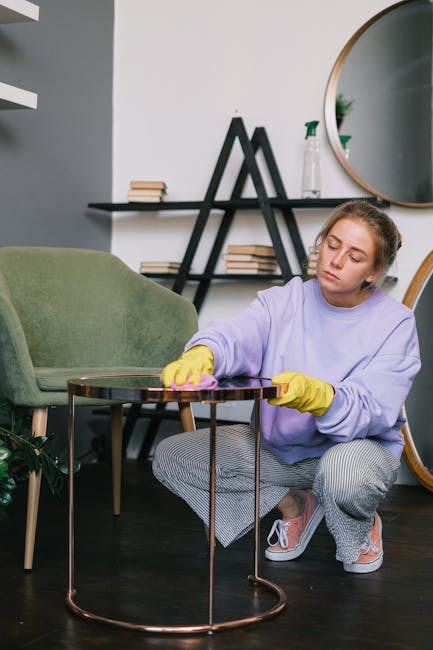
Hertford Road upholstery cleaning Enfield EN3 trusted pros: a practical guide to cleaner, longer-lasting furniture
If your sofa is looking a bit tired, your dining chairs have picked up everyday grime, or a favourite armchair has started to hold onto odours, Hertford Road upholstery cleaning Enfield EN3 trusted pros can make a real difference. Furniture gets used hard in busy homes. One cuppa spills, a pet hops up after a wet walk, someone sits down with sunscreen on, and somehow the fabric just looks dull. It happens. The good news is that professional upholstery cleaning is designed to bring fabrics back without the guesswork, the scrubbing, or the risk of making things worse.
This guide explains how upholstery cleaning works, what trusted local pros should actually do, what to look out for, and how to choose the right approach for your furniture. You will also find a useful comparison table, a hands-on checklist, and answers to the questions people ask most often before they book.
Quick takeaway: the best upholstery cleaning is not just about appearance. It is about fabric safety, stain control, drying time, odour removal, and using the right method for the item in front of you. That sounds obvious, but honestly, many people only realise it after one over-wet clean too many.
Why Hertford Road upholstery cleaning Enfield EN3 trusted pros Matters
Upholstery is one of those things you stop noticing until it starts looking off. A faint grey cast on a pale sofa, a dark patch on the armrest, the sticky feel of a chair used by kids every day. It builds slowly. By the time people call for help, the issue is often more than surface dust. Body oils, food residue, pet hair, and airborne grime settle into the fibres. If you leave it too long, stains can bond with the fabric and odours can linger in the padding below.
That is why trusted pros matter. Not every fabric responds the same way, and not every cleaning product is safe for every material. Cotton, wool blends, synthetic microfibre, velvet, and linen-style coverings all behave differently. Some can be moisture-sensitive. Some need gentle agitation. Some need targeted stain treatment before any full clean begins. The wrong move can leave water rings, dye transfer, flattening, or that dreaded stiff patch that never really feels right again.
On Hertford Road and across EN3, homes and small businesses often need cleaning that fits around real life. Maybe the furniture cannot be out of use for long. Maybe you need the room ready for visitors the next day. Maybe there is a child, a dog, or a practical concern about allergens. In that context, professional upholstery cleaning is not a luxury add-on. It is the sensible way to protect the item and avoid repeat replacement costs.
Trust is not a buzzword here. It means a cleaner who inspects first, explains the process clearly, and chooses the method based on fabric type and condition rather than forcing one routine onto everything.
How Hertford Road upholstery cleaning Enfield EN3 trusted pros Works
Good upholstery cleaning is methodical. The best results usually come from a sequence, not a single spray-and-wipe moment. A proper clean normally starts with an inspection of fabric type, condition, visible stains, seams, trims, and any manufacturer care labels. That check matters because the label may indicate whether the item is suitable for water-based cleaning, solvent-based cleaning, or a more delicate approach.
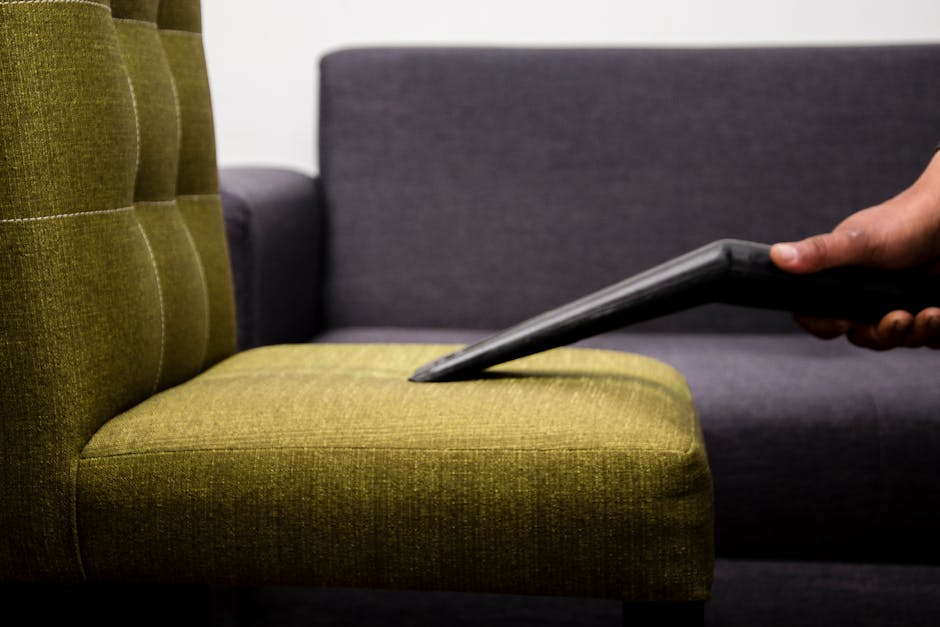
After inspection, loose debris is removed. That often includes dry vacuuming along the creases, buttons, cushions, and under folds where crumbs and dust like to hide. If you have ever turned a sofa cushion and found a surprising amount of biscuit dust, you know the sort of thing. Then comes pre-treatment. This is where specific stains or heavily soiled areas are treated before the main clean, which helps avoid overworking the fabric later.
From there, the cleaner selects the appropriate method. Common approaches include hot water extraction for suitable fabrics, low-moisture cleaning for delicate materials, and specialist stain work for isolated marks. Sometimes the process also includes odour treatment, particularly for pet accidents or long-term spill absorption. The aim is not to soak the furniture. The aim is controlled cleaning with enough action to lift dirt, but not so much moisture that drying turns into an all-day drama.
Trusted pros also think about finish. That means checking for residue, grooming fibres where needed, and helping the piece dry evenly. A rushed clean can look good while wet and then disappoint later. A careful clean tends to age better, which is really what people want.
For a wider view of the service type, you can also read about professional upholstery cleaning and how it fits alongside furniture care across the home.
Key Benefits and Practical Advantages
There are some obvious benefits to cleaning upholstery, but the less obvious ones are often the most valuable. Fresh-looking furniture is nice, of course. But the practical wins go deeper.
- Better appearance: colour looks brighter, fabric tone looks more even, and tired seating can feel renewed.
- Improved hygiene: routine cleaning helps remove dust, body oils, crumbs, and other debris that build up over time.
- Odour reduction: smells from pets, food, smoke, and everyday use can be reduced without masking them.
- Longer furniture life: removing grit and sticky residue helps reduce wear on fibres.
- More comfortable seating: clean fabric feels fresher and less sticky, especially in warm weather.
- Better first impressions: useful for homes, rented properties, and business spaces where appearance matters.
There is also a practical money angle. Reupholstering or replacing a quality sofa costs far more than maintaining it properly. People sometimes spend ages shopping for a new suite when the old one mainly needs the right treatment. Not always, of course. But often enough.
If the furniture is paired with other soft furnishings, a broader cleaning plan can help. Curtains, rugs, and mattresses all collect dust in different ways, so coordinated care can make a home feel noticeably fresher. For related services, the site also offers sofa cleaning, curtain cleaning, rug cleaning, and mattress cleaning.
Who This Is For and When It Makes Sense
Upholstery cleaning makes sense for more people than you might think. It is not only for visibly dirty sofas. In fact, the best time to clean is often before the problem looks dramatic.
Homeowners and tenants
If you use your sofa every day, chances are it is collecting more than you can see. Families with children, pet owners, and anyone who eats or drinks in the living room will usually notice gradual dulling first. Tenants may also want furniture looking presentable at the end of a lease, especially when trying to avoid avoidable deductions or complaints. Let's face it, a clean sofa can change how a room feels in about two minutes flat.
Landlords and letting agents
Furniture in furnished rentals takes a beating. It may need attention between tenancies, after a spill, or before new occupants move in. Reliable upholstery cleaning can help keep turnover smoother and avoid bigger refurbishment decisions later.
Small offices, salons, waiting rooms, and clinics
Where people sit publicly, the furniture sees constant wear. A tidy seating area supports a professional image and can reduce the sense of neglect that creeps in when chairs and soft seating become dull or stained. For larger settings, commercial carpet cleaning may also be worth considering alongside fabric furniture care.
Anyone dealing with a specific issue
Some jobs are triggered by a single problem: a coffee spill, a pet accident, a makeup stain, or a stubborn patch on an armrest. In those cases, targeted stain removal may be the right starting point before a full upholstery clean. If the mark has set in, a sensible stain-first approach usually gives better results than trying to clean everything at once.
Step-by-Step Guidance
If you are booking local upholstery cleaning for the first time, it helps to know what a sensible process looks like. Here is the basic flow trusted pros should follow.
- Identify the fabric and construction. Check the care label, trim, stuffing type, and whether the item has delicate decorative details.
- Inspect the condition. Look for stains, wear marks, odours, loose stitching, colour fading, and any previous cleaning damage.
- Test if needed. On some fabrics, a small hidden test helps reduce the risk of colour bleed or fibre distortion.
- Remove dry soil. Thorough vacuuming is essential. You would be surprised how much dust sits in seams and under cushions.
- Pre-treat problem areas. Stains, grease, and pet spots usually need individual attention before the overall clean.
- Apply the right cleaning method. This may involve low-moisture work, hot water extraction, or another suitable technique.
- Extract and control moisture. Excess moisture should be removed, not left to soak into the padding.
- Check the finish. A careful final inspection should look at evenness, residue, fabric feel, and odour.
- Advise on drying and aftercare. Good guidance here makes a big difference to how the furniture looks once it is fully dry.
A quick note: if someone suggests blasting every piece with the same method, that is a red flag. Upholstery is not one-size-fits-all. Truth be told, nothing about soft furnishings really is.
Expert Tips for Better Results
Here are the small but useful things that can make a big difference before and after cleaning.
- Vacuum regularly between professional cleans. Dry soil is abrasive. Even simple weekly vacuuming helps protect fibres.
- Blot spills quickly. Do not rub. Rubbing pushes liquid deeper and can rough up the fabric surface.
- Know the care label. W, S, WS, or X labels indicate different cleaning approaches. If you are unsure, ask before using anything on the fabric.
- Move loose cushions and small items first. It saves time and helps the cleaner reach hidden areas properly.
- Ventilate the room. Better airflow usually means a more comfortable drying period.
- Keep pets off damp fabric. This sounds obvious, but a drying sofa is basically a magnet for curious paws.
- Ask about odour treatment if needed. Odour and stain problems often sit in different layers, so one solution does not always fix both.
If you are also trying to decide whether to clean one item or several, think in zones. A sofa, rug, and curtains in the same room often share the same airborne dust and cooking residue. Cleaning just one can help, but cleaning the room as a whole usually gives a better sense of freshness.
One more thing: if the sofa is a family "main seat" and the armrests have gone shiny, do not panic. That shiny look is often from body oils and wear, not permanent disaster. Sometimes it is surprisingly manageable.
Common Mistakes to Avoid
Most upholstery damage does not happen in one dramatic moment. It usually comes from small mistakes repeated over time. Here are the most common ones.
- Using too much water: over-wetting can lead to slow drying, marks, odours, and in some cases fabric distortion.
- Applying random household cleaners: sprays made for hard surfaces or general use can stain, bleach, or leave sticky residue.
- Scrubbing aggressively: this can spread the stain, distort the pile, or rough up delicate fibres.
- Ignoring the care label: some materials need extra caution or specialist treatment.
- Cleaning only the visible mark: this can leave a halo or patchy finish around the stain.
- Forgetting to dry properly: even a good clean can disappoint if the room is closed up and the furniture stays damp too long.
There is also the "I'll just sort it later" mistake. Later tends to be expensive. Set-in stains, pet odours, and ingrained grime are all much harder to shift once they have settled deeper into the fibres or padding.
Tools, Resources and Recommendations
You do not need a cupboard full of products to look after upholstery well. In fact, less is often better. A basic care kit and a sensible maintenance routine go a long way.
Useful tools for day-to-day care:
- a vacuum cleaner with an upholstery attachment
- a clean white microfibre cloth for blotting spills
- a soft brush for gentle fabric grooming
- a small portable fan or good ventilation for drying support
- plain access to manufacturer care instructions for your furniture
Useful service pages if you are planning broader home care:
- steam carpet cleaning for deeper floor-fabric maintenance
- targeted stain removal for specific problem spots
- pet stain and odour removal for accidents that need more than a surface wipe
- pricing and quotes if you want to compare options before booking
For trust and transparency, it can also help to review the company's about us, insurance and safety, and health and safety policy information before you arrange work in your home. Those pages do not clean a sofa, obviously, but they do tell you a lot about how a business thinks.
Law, Compliance, Standards, or Best Practice
For upholstery cleaning, the main concern is not a single dramatic regulation. It is more about responsible practice. In the UK, customers usually want reassurance that the company is insured, uses products safely, handles homes respectfully, and gives clear information before work begins. That is sensible. Very sensible.
Best practice typically includes:
- checking fabric suitability before cleaning
- using appropriate personal protective measures where required
- communicating any risks, such as colour migration or slower drying on delicate materials
- protecting floors and nearby furnishings
- explaining aftercare plainly, without jargon
- handling payment, terms, and complaints in a clear and fair way
If you want to understand how a business handles customer data, payments, or complaints, the relevant policy pages are useful reading. For example, privacy policy, payment and security, terms and conditions, and complaints procedure can help set expectations before anyone comes to the door.
There is also a practical sustainability angle. Many customers now prefer services that avoid waste, minimise unnecessary product use, and think carefully about disposal. If that matters to you, recycling and sustainability is worth a look.
Options, Methods, or Comparison Table
Different upholstery problems call for different methods. Here is a simple comparison to help you understand the logic behind the choice.
| Method | Best for | Strengths | Watch-outs |
|---|---|---|---|
| Hot water extraction | Many durable fabric sofas and chairs | Deep clean, strong soil removal, good for general refresh | May be unsuitable for delicate or moisture-sensitive fabrics |
| Low-moisture cleaning | More delicate items or situations needing faster drying | Reduced wetness, less interruption to the room | May not suit heavily soiled items on its own |
| Targeted stain treatment | Single spills, marks, or patchy problem areas | Focused, efficient, and often a good first step | May need a full clean afterwards for even appearance |
| Odour treatment | Pet incidents, lingering smells, absorbed odours | Addresses smell rather than just appearance | Best paired with proper cleaning, not used as a cover-up |
If you are comparing options, the most important question is not "which method is strongest?" It is "which method suits this fabric and this problem?" Stronger is not always better. In fact, on some upholstery, stronger is just riskier.
Case Study or Real-World Example
Here is a realistic example based on the kind of job that comes up often. A family in EN3 had a fabric corner sofa used daily by two adults, one child, and a dog that treated the seat like a second bed. The sofa did not look filthy at first glance, but the arms were darkened, one seat cushion held a faint food stain, and there was a stale, lived-in smell that became noticeable only when the windows were shut in the evening.
The sensible approach was to inspect the fabric first, vacuum thoroughly, pre-treat the food mark, and use a method suited to the sofa's fibre type. The cleaner then worked the high-traffic zones carefully instead of soaking the whole piece. After the clean, the room smelled fresher, the sofa colour looked more even, and the dog was, predictably, unimpressed by the temporary "no jumping up" rule.
The useful lesson here is not that every sofa becomes like new. Sometimes it does, sometimes it simply becomes much better. The real win is that the item looks cared for again, feels nicer to use, and has a better chance of lasting.
That is what trusted pros usually deliver: a practical improvement that fits the furniture, the fabric, and your actual life.
Practical Checklist
Use this quick checklist before booking or after the clean. It keeps things simple and helps avoid surprises.
- Check the care label if it is visible.
- Identify the main issue: dirt, stain, smell, wear, or all of the above.
- Move small objects, cushions, and fragile items away from the work area.
- Ask whether the fabric needs a test spot first.
- Confirm how long drying is likely to take.
- Ask what happens if a stain does not fully lift.
- Review insurance, policies, and payment details before work starts.
- Keep the room ventilated after cleaning.
- Protect the furniture from pets and heavy use while it dries.
- Book follow-up care early if the item sees heavy daily use.
Expert summary: the smartest upholstery clean is the one matched to the fabric, the stain, and the drying conditions. Good judgment matters just as much as equipment.
If you are planning to refresh more than one item in the home, consider combining upholstery work with carpet care so the whole room feels balanced. A freshly cleaned sofa next to a tired rug can look a bit odd, to be fair.
Get a free quote today and see how much you can save.
Conclusion
Hertford Road upholstery cleaning Enfield EN3 trusted pros are worth looking for when you want more than a quick surface tidy. You want the fabric treated properly, the stain handled sensibly, and the furniture left in a better state without unnecessary risk. That means choosing cleaners who inspect first, explain clearly, and use a method that suits the item rather than forcing a generic routine.
The best result is usually a simple one: your furniture looks fresher, feels better to use, and lasts longer. That is a solid outcome in any home, and a pretty reassuring one when life is busy and the sofa is doing most of the work.
And if the room feels a little calmer and cleaner afterwards, well, that matters too. A tidy seat can change the tone of an evening more than people expect.
Frequently Asked Questions
How often should upholstery be professionally cleaned?
It depends on use. A family sofa or a piece in a busy shared space may need attention more often than a spare-room chair. Many people book when they notice dullness, marks, or odour, rather than waiting for a fixed schedule.
Can all fabric sofas be cleaned the same way?
No. Different fabrics and finishes need different approaches. Some can handle moisture well, while others need a gentler or lower-moisture method. That is why inspection comes first.
Will upholstery cleaning remove all stains?
Not always. Some stains are old, heat-set, or chemically changed by previous cleaning attempts. A good cleaner will explain the likely outcome honestly before starting.
How long does upholstery take to dry?
Drying time varies by fabric type, room temperature, airflow, and the cleaning method used. A well-controlled clean should not leave the item soaking wet, but drying still needs sensible airflow.
Is upholstery cleaning safe for pets and children?
It can be, when suitable products and methods are used and the item is allowed to dry properly. It is wise to keep pets and children off the furniture until it is fully dry.
What is the difference between upholstery cleaning and sofa cleaning?
They overlap a lot. Upholstery cleaning is the broader term for fabric-covered furniture, while sofa cleaning is the more specific service for sofas and settees.
Can you clean delicate fabrics like velvet?
Sometimes, yes, but delicate fabrics need careful handling and the right method. Velvet, for example, can be sensitive to over-wetting or rough treatment, so testing and gentle technique matter.
Do I need to vacuum before the cleaner arrives?
It helps, but it is not essential. If you can do a quick vacuum and remove loose items, that saves time and lets the cleaner focus on deeper work.
What should I ask before booking upholstery cleaning?
Ask about fabric suitability, drying time, insurance, payment, and what happens if a stain does not fully lift. Those questions are practical, not fussy.
Is stain removal included in upholstery cleaning?
Often there is some stain treatment included, but stubborn marks may need additional work. It is best to confirm whether the issue is a general clean or a targeted stain-removal job.
Can upholstery cleaning help with pet smells?
Yes, especially when combined with the right odour treatment. Pet smells can sit in the fibres and padding, so a surface-only approach usually is not enough.
How do I know if a cleaning company is trustworthy?
Look for clear communication, appropriate insurance, transparent pricing, sensible policies, and a willingness to explain the process before work begins. Trust usually shows up in the small details.
For readers comparing services, it may also help to revisit pricing and quotes, contact us, and upholstery cleaning to understand the available options and the best next step.