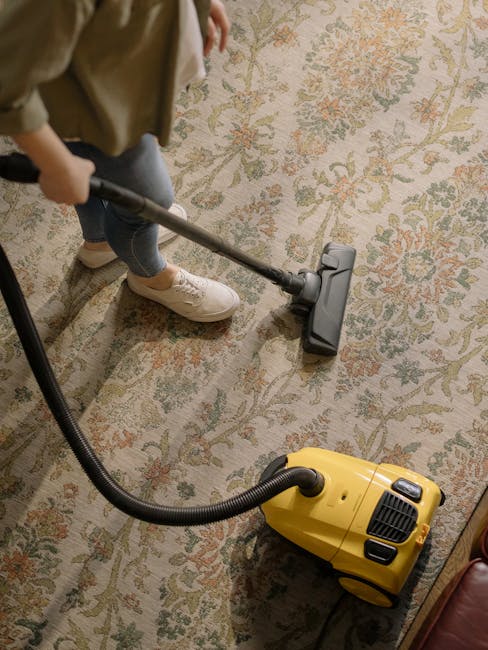
Enfield Town High Street carpet cleaning options today

If you are weighing up Enfield Town High Street carpet cleaning options today, you are probably not looking for theory. You want to know what actually works in a real home or business, what it costs in effort and disruption, and which route makes sense for your carpet right now. Fair enough. A muddy hallway runner, a coffee mark that has settled in, or a shopfront carpet that has started to look tired can all make the same question suddenly urgent: what is the best way to get this sorted properly?
This guide walks through the practical choices, the trade-offs, and the little details people often miss. You will find clear explanations of cleaning methods, who each option suits, what to ask before booking, and how to avoid the usual mistakes that lead to poor results. If you need a broader starting point, it may help to look at the main carpet cleaning service alongside related services such as steam carpet cleaning and stain removal.
Let's face it, carpets take a beating. Shoes bring in grit, kitchens drift smells, pets have the occasional accident, and busy entrances on a high street collect more dirt than people realise. The good news is that there are several sensible options today, and the right one is usually the one that fits your carpet fibre, your schedule, and the kind of soiling you are dealing with.
Why Enfield Town High Street carpet cleaning options today Matters
High street carpets have a slightly different life from carpets in a quiet back bedroom. They see more footfall, more grit, more moisture on wet days, and more spill risks from coffee, takeaway drinks, food, and the everyday rush of a local business or busy home. Around Enfield Town High Street, that mix can mean visible wear builds up faster than you expect. One day the carpet looks a bit dull; the next, it feels flat underfoot and has picked up a smell you can't quite place.
Choosing the right cleaning option matters because not every carpet responds the same way. A synthetic commercial carpet can usually handle a more robust process, while a wool blend, patterned rug, or fitted stair carpet may need a gentler approach. Pick badly and you can leave residue behind, over-wet the backing, or lock in a stain. Pick well and you get a noticeably fresher room, better appearance, and a carpet that lasts longer.
There is also a practical business side. For shops, offices, salons, and cafes, the carpet is part of the first impression. People notice it even if they don't say so. A clean floor feels organised, cared for, and welcoming. And in a home, especially with children or pets, it simply makes day-to-day life more pleasant. Clean carpet under bare feet on a cold morning - small thing, but it matters.
That is why today's options deserve a proper look rather than a quick guess. The cheapest route is not always the best, and the strongest-sounding solution is not always the smartest one.
How Enfield Town High Street carpet cleaning options today Works
Most modern carpet cleaning options fall into a few familiar methods. The trick is understanding what each one actually does, because the terminology can sound more technical than it needs to be. Here is the simple version.
Hot water extraction, often called steam cleaning
This is one of the most common professional methods. Despite the name, it usually uses hot water and cleaning solution injected into the carpet, then extracted with powerful vacuum suction. The aim is to loosen dirt and lift it out rather than just moving it around on the surface. For many households and businesses, this is the default choice for deep cleaning.
Dry compound or low-moisture cleaning
Some carpets, particularly in commercial settings, benefit from lower moisture methods. These are designed to clean faster and reduce downtime. They can be useful where you need quicker return-to-use, though they may not always match the deep soil removal of hot water extraction on heavily soiled carpets.
Spot and targeted stain treatment
Sometimes the issue is not the whole carpet but one stubborn patch: wine, coffee, pet urine, ink, or tracked-in mud. Targeted treatment can be added before or after a full clean. This is where pet stain and odour removal or a dedicated stain removal approach becomes especially useful.
Rug, upholstery, and adjacent fabric care
In many real-life jobs, the carpet is only part of the story. A hallway rug, the sofa, or the curtains may also hold dust and odour. Coordinating these can save effort and give the room a much more balanced result. That is where related services like rug cleaning, sofa cleaning, upholstery cleaning, and curtain cleaning come in handy.
The process itself usually follows a familiar sequence: inspection, pre-treatment, agitation where needed, extraction or low-moisture cleaning, and drying. Simple enough on paper. In practice, the inspection stage makes a big difference. A good cleaner looks at fibre type, traffic lanes, previous treatments, and problem areas before doing anything irreversible.
Key Benefits and Practical Advantages
If you are deciding between the available carpet cleaning options, it helps to focus on the benefits that affect your day-to-day life, not just the glossy before-and-after look.
- Better appearance: Dirt dulls fibres over time. A proper clean restores colour, definition, and a more even finish.
- Improved freshness: Dust, spills, and pet-related smells can linger in carpet fibres. Cleaning helps reset the room.
- Longer carpet life: Embedded grit acts like sandpaper. Removing it can reduce wear and fibre damage.
- Better hygiene: Regular cleaning helps reduce the build-up of everyday debris, especially in homes with children or pets.
- More suitable for guests or customers: If people are walking in and out all day, you want the floor to say "looked after", not "we'll get to it later".
- Odour control: Good cleaning can help address stale smells caused by moisture, food, animals, or general build-up.
There is also a hidden benefit: confidence. Once carpets are clean, you stop noticing the floor in a negative way. That frees up the whole room. It sounds small, but anyone who has lived with a grubby hallway knows the difference.
Who This Is For and When It Makes Sense
Not every carpet needs the same treatment, and not every property needs a full deep clean on the same schedule. So who is this really for?
Homeowners and tenants: If your carpet has spills, pet issues, visible traffic marks, or simply hasn't been cleaned in a long while, professional cleaning can make a noticeable difference. It is especially sensible before moving out, after a renovation, or when you want the place to feel properly reset.
Shops and high street businesses: On a busy stretch like Enfield Town High Street, customer-facing floors can lose their sharp look quickly. A regular maintenance plan helps keep the premises presentable without constantly reacting to mess.
Landlords and letting agents: Fresh carpets can help present a property well between tenancies. It is not magic, of course, but it does remove one common source of complaints and slows down the "lived-in" feel.
Pet owners: If you live with animals, you already know the battle. A bit of wet dog smell after a rainy walk, a muddy paw trail by the door, a one-off accident that went deeper than expected - these are all common reasons to book a specialist clean.
Anyone dealing with stubborn marks: Some stains do not respond to household products. In fact, they often look worse after a few home attempts. That's usually the point where you stop, take a breath, and consider a proper treatment instead of making the patch larger and more dramatic than it needs to be. Been there, sadly.
Step-by-Step Guidance
Here is a straightforward way to approach carpet cleaning without overcomplicating it.
- Identify the problem. Is it general dullness, a specific stain, odour, heavy traffic wear, or a mix of all four?
- Check the carpet type. Wool, synthetic, blends, and delicate rugs can need different treatment. If you are unsure, ask for a fibre-safe recommendation.
- Decide how quickly the room must be usable again. A front room can usually tolerate a longer dry time better than an office entrance or shop floor.
- Choose the cleaning method. For deep soil and broader freshness, hot water extraction is common. For quicker turnaround, lower-moisture methods may suit better.
- Ask about pre-treatment. Traffic lanes, spills, and stains often need targeted attention before the main clean.
- Prepare the room. Move small items, vacuum if advised, and make sure the cleaner can access the full carpeted area.
- Manage drying properly. Open windows if weather allows, keep people off the carpet until it is dry, and avoid putting furniture back too soon.
That's the core of it. The smartest jobs are rarely the most complicated ones; they are usually the ones where preparation and method match the carpet, not just the calendar.
Expert Tips for Better Results
Over time, the difference between an average clean and a really good one tends to come down to a few practical details.
Vacuum before the clean. It sounds obvious, but removing loose grit first helps the deeper process work better. Grit is the enemy of both appearance and longevity.
Treat stains early. Fresh spills are easier to manage than set-in marks. If you blot quickly and avoid scrubbing, you give yourself a much better chance of success. Scrubbing, for the record, tends to spread the problem and flatten the pile. Not ideal.
Test delicate areas first. Corners, old repairs, and colour-sensitive fibres should be approached carefully. A cautious cleaner will always check before committing to the whole area.
Don't overload the carpet with water. More moisture does not automatically mean better cleaning. Too much can lengthen drying time and create avoidable issues, especially near underlay or seams.
Ask about aftercare. A useful cleaner should be able to tell you how long to keep off the carpet, when to replace furniture, and whether any follow-up is needed for remaining marks.
Match the method to the room. A busy entrance, a family lounge, and a meeting room may all need different priorities. That is normal. It is not one-size-fits-all, and pretending it is usually leads to disappointment.
Common Mistakes to Avoid
People usually only make these mistakes once. Still, it helps to know them now.
- Using the wrong product on a stain: Bleach, harsh solvents, and random household sprays can permanently alter colour or fibre texture.
- Rubbing instead of blotting: Rubbing pushes the stain deeper and can damage the pile.
- Ignoring odour sources: If the smell comes from below the surface, covering it with fragrance will not solve anything.
- Choosing price alone: Cheap can be fine, but very cheap without explanation often means shortcuts, rushed work, or hidden extras.
- Not checking drying time: If you need the room back quickly, say so early. Surprises are annoying when there is furniture to move and life to get on with.
- Failing to ask what is included: Some quotes include pre-treatment and stain work, others do not. That detail matters more than people think.
One quiet mistake that gets overlooked a lot: assuming all carpets respond the same way. They don't. A hallway runner that gets sun all day may be more faded on one side. A stair carpet may be packed harder in the centre. Small differences, but they affect results.
Tools, Resources and Recommendations
You do not need a van full of gadgets to make a sensible decision. What you do need is a few reliable checks and the right type of service for the job.
Useful things to have ready before a booking:
- a quick note of the room sizes or number of carpeted areas
- any known stains, odours, or pet incidents
- the carpet material, if you know it
- information about access, parking, or stairs
- your preferred timescale for drying and re-use
Helpful service pages to compare: if your carpet problem overlaps with furniture, rugs, or commercial flooring, it can make sense to look at commercial carpet cleaning, rug cleaning, or upholstery cleaning. A room often feels fresher when the soft furnishings are treated together rather than in isolation.
Practical recommendation: for deeply soiled carpets, ask for a method recommendation rather than requesting a specific machine by name. A good cleaner should explain why a certain process is better for your fibres and your time constraints. That kind of answer usually tells you more than a fancy brochure ever will.
Law, Compliance, Standards, or Best Practice
Carpet cleaning is not a heavily regulated trade in the same way as some specialist services, but there are still important best-practice expectations. If the work is being done in a home, an office, a shop, or a shared building, sensible health and safety measures matter. Wet floors should be managed carefully. Cables, hoses, and cleaning equipment should not create trip hazards. Chemicals should be used according to the supplier's instructions, and any strong product should be handled with caution.
For customers, it is reasonable to ask whether the business has clear procedures for safety, insurance, and complaints handling. Those things are not glamorous, but they are part of responsible service. It is also sensible to ask how payment is handled and how your personal details are managed. A provider's payment and security information and privacy policy can help with that.
Where sustainability matters to you, ask about product choice, water use, and waste handling. The best approach is often simple and low-drama rather than heavily chemical. If a business publishes a responsible recycling and sustainability approach, that is a useful sign that they think beyond the job itself.
One final point: insurance matters. If equipment damages flooring or a hidden fault becomes visible during cleaning, proper cover is part of the safety net. You do not want guesswork where money or property is involved.
Options, Methods, or Comparison Table
If you are comparing Enfield Town High Street carpet cleaning options today, the table below gives a simple way to think about the main methods. It is not about declaring one winner forever. It's about matching the job to the method.
| Method | Best for | Strengths | Possible drawbacks |
|---|---|---|---|
| Hot water extraction / steam cleaning | General deep cleaning, high-traffic carpets, refresh work | Strong soil removal, thorough result, widely used | Longer drying time than low-moisture methods |
| Low-moisture cleaning | Commercial spaces, quicker turnaround needs | Faster return to use, less wetting | May be less suitable for very heavy soiling |
| Targeted stain treatment | Isolated marks, spills, pet accidents | Focused attention, useful add-on | Does not replace a full clean where dirt is widespread |
| Combined fabric care | Rooms with rugs, sofas, curtains, and carpet together | More even room refresh, efficient planning | Needs clearer coordination and more time |
For many people, the answer is not "pick one method and hope". It is "pick the main method, then add targeted treatment where needed". That way the whole job makes sense, not just the largest visible patch.
Case Study or Real-World Example
A small independent shop near the high street had a front carpet that looked fine from a distance, then suddenly not so fine when the afternoon light hit it. The traffic lane by the entrance had gone grey, and there was a faint stale smell that became obvious whenever the door stayed closed for a while.
They did not need a dramatic overhaul. They needed a sensible plan. The cleaner inspected the fibre type, treated the entrance area first, then carried out a deeper clean across the whole floor. A small stain near the counter got separate attention, and the drying plan was set so the shop could reopen with minimal disruption. No magic, no miracle. Just the right process, done carefully.
What changed most was not only the appearance. The room felt lighter. The smell went. Customers walked in and the floor no longer pulled attention for the wrong reason. That is the sort of result people often want but rarely describe at first. They just know something feels off.
Homes can be similar. A hallway carpet can hold onto the day: pram wheels, trainers, wet coats, and the odd paw print. Once cleaned properly, the whole house seems calmer. Slightly better, even before you have tidied the rest. A bit odd how that works, but it does.
Practical Checklist
Use this quick checklist before booking or starting a carpet clean.
- Identify the main problem: dirt, stains, odour, wear, or all of them
- Check the fibre type: wool, synthetic, blend, or uncertain
- Decide how fast the room must be usable again: same day, next day, or flexible
- Ask what is included in the quote: pre-treatment, stain work, drying advice, furniture movement
- Confirm safety and insurance details: especially for homes with children, pets, or commercial footfall
- Prepare access: parking, stairs, entry codes, or loading points
- Move small items out of the way: lamps, toys, fragile objects, loose ornaments
- Plan aftercare: ventilation, restricted access, and when to replace furniture
- Consider related areas: rugs, sofas, curtains, and upholstery if the room needs a full refresh
If you can tick most of those off, you are already ahead of the game. Seriously. Many bad carpet-cleaning experiences begin with nobody asking the basic questions first.
Get a free quote today and see how much you can save.
Conclusion
The best Enfield Town High Street carpet cleaning option today is the one that matches your carpet, your schedule, and the actual problem in front of you. For some jobs, that will be a deep hot water extraction clean. For others, a quicker low-moisture method or targeted stain treatment may be the smarter choice. And sometimes the most sensible answer is a mix of methods, especially if the room includes rugs, upholstery, or repeated traffic at the entrance.
What matters most is making a choice with your eyes open. Check the fibre, ask about drying, confirm what is included, and look for a provider that explains things plainly. You do not need jargon. You need a result that feels clean, looks right, and holds up once normal life starts again.
And if you are still deciding, that is fine too. A careful decision usually pays for itself in the end. Clean carpet, calmer room, fewer worries - not a bad trio.
Frequently Asked Questions
What are the main Enfield Town High Street carpet cleaning options today?
The main options are hot water extraction, low-moisture cleaning, targeted stain treatment, and combined fabric care where rugs, sofas, or curtains are cleaned alongside the carpet. The right choice depends on soil level, fibre type, and how quickly you need the room back in use.
Is steam carpet cleaning always the best choice?
Not always. Steam cleaning is often an excellent deep-cleaning method, but some carpets benefit more from low-moisture cleaning or a gentler process. The carpet material and the level of soiling matter more than the name of the method.
How long does carpet cleaning usually take?
The cleaning itself may be fairly quick, but drying time varies depending on the method, the carpet, room airflow, and weather. A well-planned job should include clear guidance on when you can safely walk on the carpet again.
Can carpet cleaning remove pet smells?
It can help a great deal, especially when the odour is in the carpet fibres rather than deeper in the underlay. For pet accidents, specialist pet stain odour removal is often the better route than a general clean alone.
What should I ask before booking carpet cleaning?
Ask what method will be used, whether stain pre-treatment is included, how long drying usually takes, what preparation is needed, and whether the business has clear insurance and safety procedures. Those answers tell you a lot.
Will professional carpet cleaning damage delicate carpets?
It should not if the cleaner chooses the correct method and checks the fibre first. Delicate carpets do need more caution, which is why inspection and testing matter so much before full cleaning begins.
How often should carpets be professionally cleaned?
There is no one fixed rule. Busy homes, pet households, and customer-facing businesses often need more frequent cleaning than low-traffic rooms. The real clue is appearance, odour, and how fast the carpet seems to darken after vacuuming.
Is it worth cleaning just one stain?
Yes, if the stain is the main issue and the rest of the carpet is in good condition. But if the surrounding area is also dull or worn, targeted treatment may need to be paired with a broader clean for the best result.
What if my carpet is wool or a blend?
Wool and blended fibres often need a more careful approach than standard synthetic carpet. That does not mean they cannot be cleaned well; it simply means the method, temperature, and moisture level should be chosen with care.
Do I need to move furniture before carpet cleaning?
Usually, smaller items should be moved beforehand, and larger pieces may need to be discussed in advance. It is best to confirm this before the appointment so there are no surprises on the day.
How do I know if a quote is fair?
A fair quote should clearly explain what is included, what areas are covered, and whether additional stain or odour treatment costs extra. The cheapest quote is not always the best value if it leaves out the work you actually need.
Are commercial carpet cleaning and home carpet cleaning different?
Yes, often they are. Commercial spaces tend to have more footfall, different scheduling needs, and a stronger need for quick drying or lower disruption. That is why commercial carpet cleaning is usually planned differently from domestic cleaning.
What related services might I need at the same time?
If the room has multiple fabric surfaces, you may also benefit from rug cleaning, sofa cleaning, or upholstery cleaning. Cleaning them together can make the whole space feel more cohesive.
Where can I learn more about the company behind the service?
If you want to understand the business approach, service standards, and general background, the about us page is a sensible place to start. For questions about access or policies, the site's stated information pages can also help you make a more confident choice.